
Jaisalmer Tourism Industry focuses on transforming Jaisalmer into a globally recognized, sustainable, and experience-driven desert tourism destination while preserving its rich cultural heritage and fragile desert ecosystem. Known as the Golden City, Jaisalmer already attracts visitors with its magnificent architecture, desert landscapes, and cultural traditions, but the future vision aims to enhance tourism through innovation, sustainability, digital transformation, and high-quality visitor experiences.
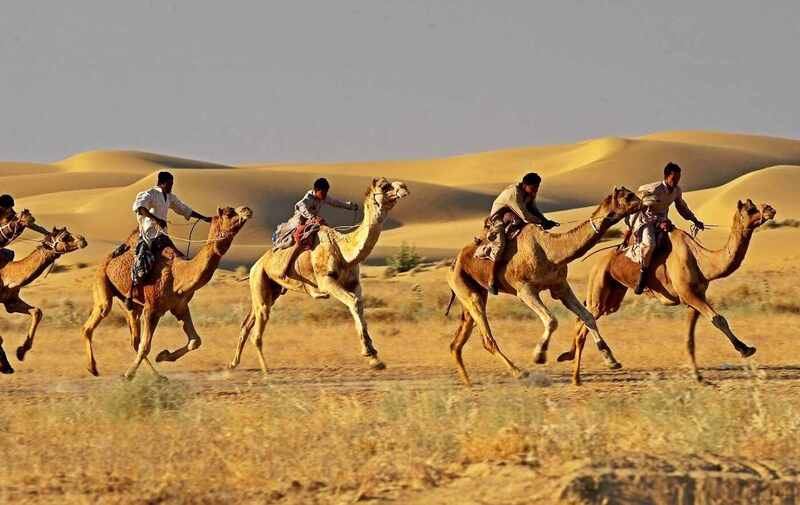
A key part of this vision is the development of sustainable desert tourism around the iconic Jaisalmer Fort and the surrounding Thar Desert. Tourism authorities aim to promote eco-friendly camel safaris, controlled jeep safari routes, waste-free desert camps, and conservation-focused travel practices that protect the fragile desert environment. Emphasis is placed on balancing tourism growth with environmental responsibility, ensuring that natural dunes, wildlife, and rural ecosystems remain preserved for future generations.
The future also includes luxury and experiential tourism expansion, where Jaisalmer will strengthen its position as a premium desert destination. High-end desert resorts, boutique heritage stays, and luxury camping experiences will continue to grow, offering world-class hospitality combined with authentic Rajasthani culture. Visitors will enjoy curated experiences such as private camel safaris, cultural storytelling evenings, desert wellness retreats, hot air balloon rides, and stargazing experiences under the clear desert sky.
Digital transformation is another important pillar of Jaisalmer’s tourism future. Smart tourism initiatives, online booking systems, virtual heritage tours, and AI-based travel assistance will make it easier for global travelers to explore and plan their journeys. Digital promotion of festivals, monuments, and cultural events will help position Jaisalmer as a year-round destination for international tourists. Enhanced connectivity and improved infrastructure will also ensure smoother travel experiences across desert regions.
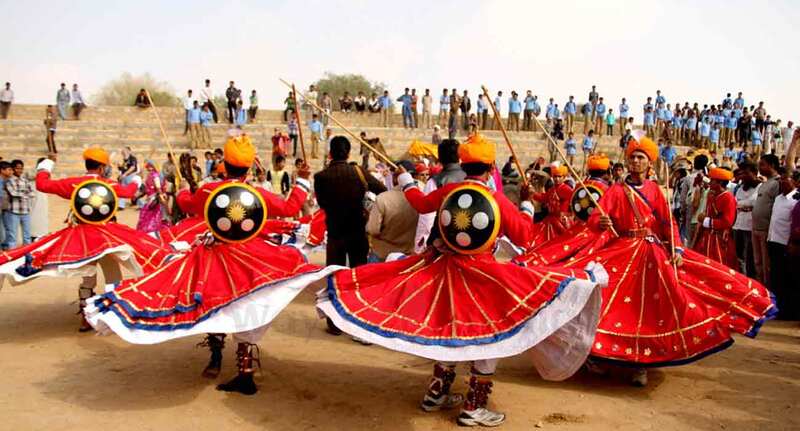
Cultural preservation remains at the heart of this vision. The government and tourism stakeholders aim to protect and promote local traditions, including folk music, Kalbelia dance, puppet shows, handicrafts, and traditional Rajasthani cuisine. Local artisans and rural communities will play a central role in tourism development through community-based tourism projects, ensuring that economic benefits reach grassroots levels while preserving cultural identity.
Infrastructure development is also a major focus, including improved roads, better connectivity to desert regions like Sam Sand Dunes and Khuri, upgraded hospitality facilities, and enhanced safety measures for tourists. Special attention is given to creating sustainable tourism zones that manage visitor flow while maintaining the natural beauty of the desert landscape.
In the coming years, Jaisalmer is expected to emerge as a world-class desert tourism hub, combining heritage, adventure, luxury, and sustainability. With its golden fort, vast dunes, royal culture, and evolving tourism infrastructure, the future vision of Jaisalmer tourism aims to offer unforgettable experiences while protecting its timeless desert heritage.


.jpg)